The Courage to Slow Down in a World That Never Stops
Have you noticed how often people answer “busy” when you ask how they’re doing?
Busy has become the new normal — even a measure of success.
We rush through mornings, emails, conversations, meals, and somehow expect to still feel whole at the end of the day.
The world moves at a speed that our minds and hearts were never built for.
Technology makes everything instant, but our need for reflection and connection has not changed.
We still need time — time to process, to breathe, to listen, to simply be.
Yet slowing down feels almost rebellious.
Because the moment we stop, we are left alone with ourselves — with our thoughts, exhaustion, and sometimes the quiet truth we’ve been avoiding.
Still, that’s exactly where the real growth begins.
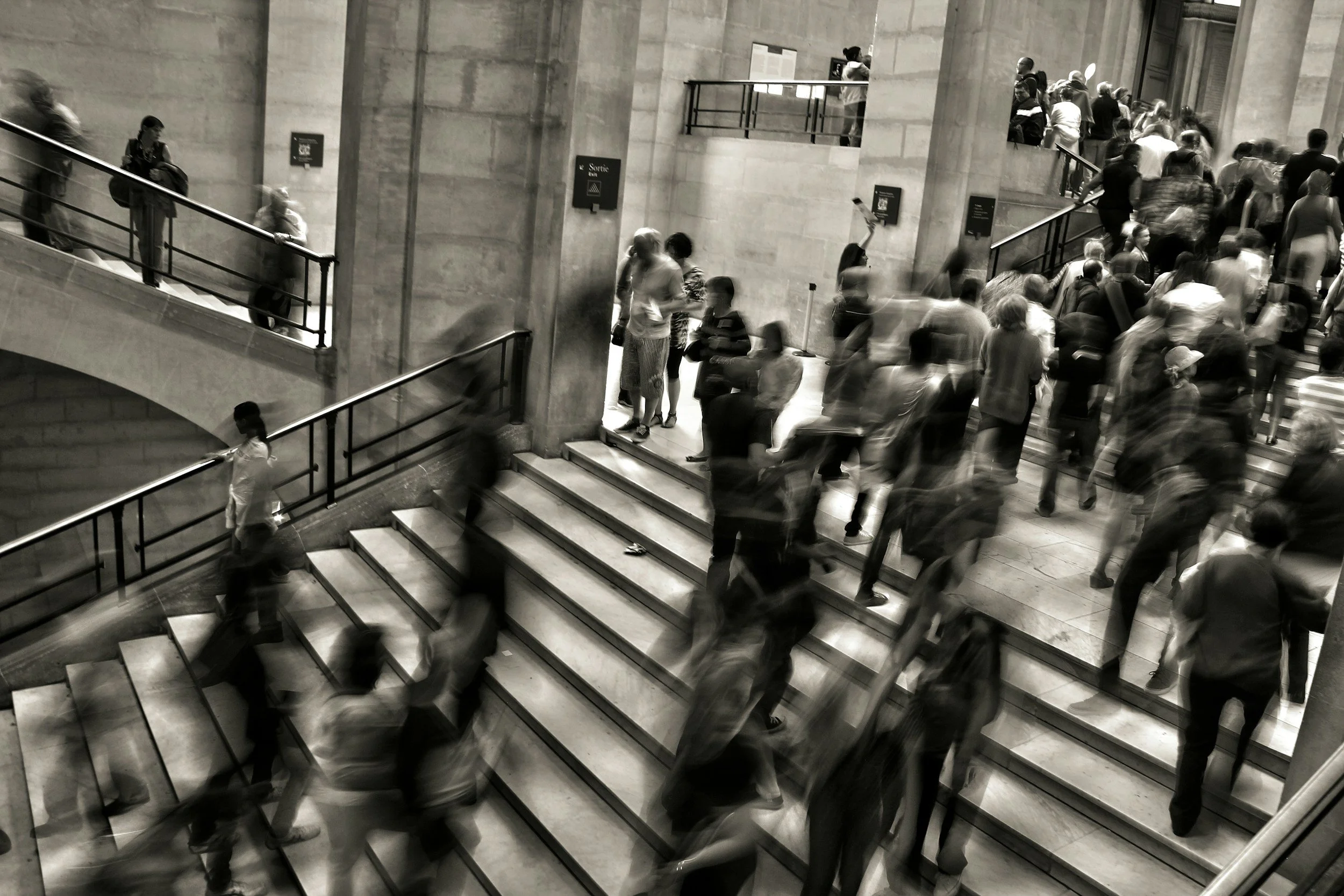
The Myth of Constant Motion
We’ve been taught to believe that momentum equals progress.
That success requires constant action, constant visibility, constant striving.
But motion and progress are not the same thing. Sometimes moving slower — or not at all for a moment — is what allows us to move forward with meaning.
The best ideas rarely appear in the rush.
They arrive when we’re walking outside, taking a shower, or sitting in silence with a cup of coffee. That’s not coincidence — it’s how our brains and hearts work. They need space.
Real creativity, insight, and empathy can’t exist in chaos.
They emerge in the quiet, when we allow ourselves to stop reacting and start noticing again.
The Cost of Speed
There’s a hidden cost to always being in motion. When everything is urgent, nothing truly important stands out.
Speed creates mistakes, disconnection, and emotional fatigue. In the long run, it dulls our ability to see what matters — in our work, in our relationships, in ourselves. We start to measure our days by what we did instead of how we felt doing it. We stop seeing people. We stop seeing ourselves.
Sometimes I wonder if our collective exhaustion isn’t because we work too much — but because we think too little, pause too rarely, and expect ourselves to be machines in a human body.

The Practice of Pausing
Slowing down isn’t about quitting.
It’s about choosing presence over pressure. It’s a quiet kind of strength.
It looks like taking a deep breath before opening your inbox. Or ending a meeting with a real question — “How are you doing?” - and waiting for the answer. It looks like leaving a few minutes between appointments just to let your thoughts settle.
These small pauses change everything. They shift the tone of our days. They remind us that being human is not a distraction from our goals — it’s the foundation of them.
Redefining Growth
In a world obsessed with acceleration, choosing to slow down can feel unnatural. But the truth is, stillness isn’t the opposite of growth — it’s where growth starts.
Growth is not only about doing more; sometimes it’s about doing less, but more intentionally.
It’s about creating from clarity, not from chaos. It’s about being able to see the bigger picture instead of reacting to the noise.
When we give ourselves permission to pause, we begin to notice again —people, moments, opportunities, ideas.
The things that were always there, just hidden under the rush.
An Invitation
So before this year ends, I invite you to pause. Even for one minute.
Not to plan, not to perform, not to catch up — just to notice.
Ask yourself:
What actually matters right now?
What am I running toward — or away from?
What might unfold if I gave myself permission to slow down?
You don’t have to stop completely. You just have to let yourself breathe.
Because slowing down isn’t a luxury — it’s how we find our way back to what matters most.

Closing reflection
The world will keep moving, endlessly and loudly. But you don’t have to match its pace to live meaningfully.
Sometimes the most radical thing you can do is to simply stand still — to look around, to see clearly, and to remind yourself that you’re not behind.
You’re exactly where you need to be.